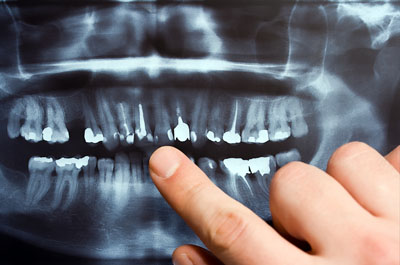
Wisdom teeth are those often-forgotten third molars. Wisdom teeth are the last teeth to erupt in the mouth and are the teeth that most hope will not be a real issue. However, there are numerous factors that determine what happens to the wisdom teeth. Here is a look at some of the most commonly asked questions about wisdom teeth.
When do wisdom teeth erupt?
Wisdom teeth typically erupt between the age of 18 and 21. However, the exact timing of the wisdom tooth eruption differs according to each unique patient. In some cases, the eruption will lead to pain from overcrowding or the wisdom teeth growing in crooked.
Do we all have wisdom teeth?
No. Certain people have a total of four wisdom teeth. Others have three, two, one or no wisdom teeth at all.
Are all wisdom teeth problematic?
It seems like wisdom teeth get a bad reputation because most people only mention wisdom teeth during removal. In some instances, wisdom teeth can erupt fully in the mouth and function just like regular teeth. It is also possible for a wisdom tooth to be buried, left alone and cause no problems at all.
However, it is crucial to remove wisdom teeth that are likely to cause problems with other teeth or gums. We must remove diseased wisdom teeth. Any sign of wisdom tooth infection, lasting decay or cyst formation will prompt consideration for removal.
Are wisdom teeth difficult to remove?
In comparison to other teeth, wisdom teeth are more challenging to remove. The difficulty with removal is due to the fact that the jaw bone portion of this area is quite dense. The wisdom teeth might be somewhat covered by jaw and gum bone. There might be numerous wisdom teeth roots at odd angles. Add in the fact that we must consider the blood vessels and nerves of surrounding teeth, making the removal more complex.
Yet many extractions prove to be surprisingly easy. The difficulty typically hinges on the level of decay, the degree of impaction and the patient's age. The best time to remove wisdom teeth is between the age of 20 and 30.
How does wisdom tooth removal occur?
The removal begins with numbing the area of the procedure and making an incision in the gum. The incision exposes the patient's jaw bone. We then use a drill to free the wisdom teeth and remove them.
Is wisdom tooth removal painful?
No. We will numb your mouth with local anesthesia. You will feel slight pinches in your mouth but not the cut itself. You will be numb to the drilling. The stitches do not hurt in the slightest. In many cases, we will prescribe painkillers in the aftermath of the operation. If sedated, the patient might not remember the procedure at all.
How long does it take to recover from wisdom tooth extraction?
The answer depends on the number of teeth we need to remove, the patient's typical rate of healing, the degree of impaction and other factors. There will undoubtedly be some bleeding, bruising, swelling and general soreness. We encourage our patients to consult their post-operative instructions following the procedure to ensure a timely and full recovery.
Call Us Today
If you or your loved one are considering wisdom teeth extraction or any other oral health care solution, let us help. Reach out to us today to learn more about our dental care offerings.
Dentists regularly field questions about wisdom teeth from patients and young patients’ parents. If you are approaching the age when extracting these teeth is common, you may be curious as well. There are a lot of reasons why dental professionals recommend removing these molars. As you understand more about these teeth, you may realize why…
There are numerous reasons why dental professionals recommend wisdom teeth extraction, and one is to prevent teeth misalignment. Wisdom teeth are the third molars located in the lower and upper parts of the jaw, behind the other molars on both sides. The teeth generally appear years after the other permanent teeth have come up. In…
If your wisdom teeth are impacted, it may be time to think about visiting a dentist. Extracting these teeth can help you avoid serious oral health problems and cosmetic concerns. Not everyone requires the removal of these molars, but your dentist can determine whether this makes sense for you. Extracting these teeth can keep more…
When you reach your 20s, wisdom teeth should emerge. This third set of molars come in at the back of the mouth. You will likely have two of these teeth on the top and bottom, though some people have fewer than four. Commonly, dentists recommend getting these removed, and it is not difficult to see…