Why Missing Teeth Need to Be Replaced
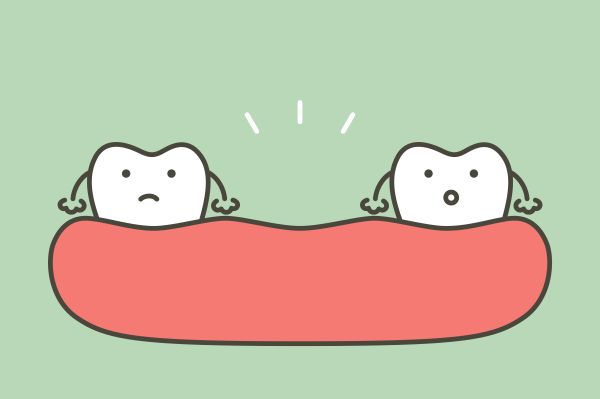
Although missing teeth can be corrected with restorative options like dentures, bridges and dental implants, some people usually decide to forego treatment and live with the loss. But not replacing one or more missing teeth can be detrimental to the functionality and health of your smile. By deciding not to replace a tooth, you could leave yourself at risk of developing more problems. It can also interfere with your daily life.
Consequences of missing teeth
Tooth decay and injury are common causes of missing teeth. Particular systemic conditions also result in a number of missing teeth. The most common missing teeth are upper lateral incisors, second premolars and wisdom teeth. A person missing one or more teeth can benefit from replacing them. There are several negative consequences of missing all or some of the teeth. Here are some consequences associated with not replacing missing teeth.
Bone loss
Failure to replace a missing tooth or teeth is one of the leading causes of jawbone loss. When a person loses teeth, it disturbs the interplay between the bone and teeth. Teeth support and stimulate the bone of the jaw. If a person does not replace the lost teeth, the bone and gum will no longer be stimulated well enough so the jawbone will start shrinking and the gums will pull back.
Facial esthetics
Missing teeth can drastically change someone’s appearance. The teeth support the structure and shape of the face. A reduced jawbone and missing teeth can make a person’s face look older, sunken and wrinkly. A smile will also be affected by gaps left by the lost teeth.
Speaking and chewing
Large spaces between the teeth often affect how people speak and eat. The teeth play a big role in speech. Missing teeth or large gaps between the teeth can make it hard for a person to pronounce particular words. A person may experience whistling and slurring and even spitting when speaking.
A person relies on the teeth for the gnashing and tearing of food. Depending on the location of the missing tooth or teeth, a person may experience difficulty eating some everyday foods. Missing front teeth can be problematic because they are usually used to break off bits of food. The back teeth are effective in grinding up meat and many other foods so missing molars affects how people chew.
Shifting teeth
Even though the teeth are securely attached to the jawbone, they can shift and move over time. Several reasons can cause this problem, including tooth decay and gum recession. This problem can be accelerated with one or more missing teeth. The gaps create spaces into which adjacent teeth can shift. This shifting also creates more space into which other teeth shift and, in a domino effect, the entire bite is eventually impacted.
Contact your dentist
Missing several teeth can have a negative impact on your daily life. Missing teeth can affect how you speak and eat and also your appearance. This problem should also be corrected because remaining teeth may shift and sometimes bone loss occurs around the missing tooth. These consequences can be avoided by replacing your lost teeth. If you are thinking of replacing missing teeth, your dentist will help you determine the right tooth-replacement option that will meet your needs.
Request an appointment here: https://familychoicedentistry.com or call Family Choice Dental at (505) 634-5657 for an appointment in our Albuquerque office.
Check out what others are saying about our services on Yelp: Read our Yelp reviews.
Related Posts
A damaged tooth can be uncomfortable and make eating difficult, but quick treatment can restore function and appearance. An emergency dentist is a general dentist who offers fast, effective care to address urgent dental concerns. Their goal is to protect the tooth and prevent further complications. Whether caused by an accident, infection, or another unexpected…
An emergency dentist is essential for anyone facing unexpected dental issues that require immediate attention. Whether the issue is a severe toothache, injury, or infection, seeking help from an emergency dentist provides prompt evaluation and treatment to prevent further complications. Taking immediate action allows patients to alleviate pain and avoid long-term damage to their oral…
While clear braces can straighten teeth with brackets that blend more naturally with the smile, proper care helps keep them clean, comfortable, and effective. While these braces work much like traditional metal braces, their tooth-colored or ceramic brackets can show stains more easily when patients do not follow a strong oral hygiene routine. With daily…
An emergency dentist offers urgent and specialized care for unplanned dental issues, especially when severe pain or sudden trauma requires immediate attention. These situations can feel overwhelming and may raise many questions about what to expect and how to prepare. Therefore, it is good to have a list of questions to ask before arriving at…