What To Expect at a Consultation for Braces
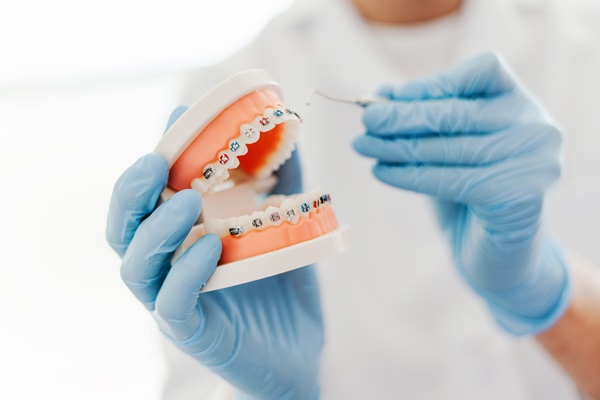
Curious about what happens when you undergo a consultation for braces with your general dentist? Read on to learn more. Many patients — especially teens and younger children — may be concerned about going to a consultation for braces. It is normal for children to be nervous and excited before each session, whether it is their first or sixth adjustment. The consultation appointment to discuss the potential use of braces for teeth straightening is an important step.
What happens during a consultation for braces?
Although a young patient may be apprehensive before a consultation to discuss braces, this visit is a great chance to ask questions and get answers about the dentist's approach to treatment.
Feel free to voice any concerns about the health and appearance of your teeth to the dentist during the appointment. It is also a good idea to let them know of any history of oral health issues. The general dentist will provide treatment recommendations after an examination and consultation.
In some cases, a dentist may decide against proceeding with this type of treatment; this may be because orthodontic treatment is not presently necessary. If the dentist detects evidence of jaw injuries or issues, gum disease, or poor oral health, they may delay teeth-straightening treatment. These issues must be addressed before proceeding with braces.
For the best relationship, it is ideal that patients share their dentist’s care philosophy. Before committing to treatment, this may be your best chance to find out whether the dental office is a good fit for you.
The treatment process for braces
Following the examination, the dentist will compile a list of issues based on the diagnostic data gathered. The list is personalized to the patient and highlights all the concerns that the treatment plan intends to address. The patient’s core concern serves as a template for the dental professional to evaluate the significance of other concerns and how best to solve them.
The patient’s initial records and issue list will be the basis for the dentist’s design of the treatment plan. The treatment plan will outline the procedures to be followed from the beginning to the end of the patient’s care. A personalized treatment plan will detail the steps of the teeth-straightening journey. You may also use it to get a rough estimate of how long your treatment will last.
How long a patient needs to wear braces depends on their individual situation. Predicting how many months therapy will take can be challenging. Therefore, many dental professionals will give patients a range of possible completion times. Depending on the severity of the condition, your treatment plan may last anywhere from six months to three years.
Treatment planning in orthodontics is a combination of experience and skill, but it also incorporates an element of art. There are tried and true methods for fixing common orthodontic issues. However, inventive problem-solving is an essential part of the treatment planning process.
After the first consultation appointment
The dentist has to do further in-depth clinical diagnostics before giving a definitive diagnosis and outlining potential treatment options. It is impossible to confirm a thorough plan of action during the initial consultation without a complete collection of records. The general dentist will provide a brief overview of the problem and possible solutions. Patients may also get an estimate of costs but not a firm quote at this time.
Scans and x-rays of your teeth will typically be required as part of the normal procedure. Sometimes unexpected findings emerge from these scans, allowing for the adjustment of treatment options. Therefore, it is impossible to devise an exact strategy without an evaluation. Making impressions of a patient's upper and lower teeth will be helpful when outlining a course of treatment.
The clinic may arrange scanning options if patients need x-rays and have never had them before or if they need more. This will happen before the next scheduled appointment to deliver the chosen treatment plan. Patients need to follow the treatment instructions diligently if they want to achieve the straighter smile they desire.
Are you considering braces?
The process of getting braces is easy when you have all the details. To learn more about how you can achieve a straighter smile, reach out to our dental office today to schedule an appointment for a braces consultation. You will be able to get answers to your questions and concerns during the consultation.
Request an appointment here: https://familychoicedentistry.com or call Family Choice Dental at (505) 634-5657 for an appointment in our Albuquerque office.
Check out what others are saying about our dental services on Yelp: Orthodontics in Albuquerque, NM.
Related Posts
Seeking an emergency dentist immediately after a dental injury can help prevent further complications and ensure proper treatment. Whether a tooth is chipped, cracked, or knocked out, taking the right precautions is essential for preserving oral health. However, some actions can worsen the damage or delay healing. To protect the teeth and avoid additional harm,…
Finding an emergency dentist as soon as possible in a dental emergency is essential when dealing with sudden tooth pain, trauma, or other urgent dental issues. Delayed treatment can lead to worsening conditions, increased pain, or even permanent damage. Choosing the right provider ensures that emergency care is both timely and effective. Here are three…
While a bright, white smile is a sign of health and youth, teeth naturally change color for various reasons, making them appear dull or yellow. Fortunately, teeth whitening is an effective and popular way to boost their brightness and confidence. Some stains are only on the surface, while others develop within the tooth structure itself.…
Tooth replacement can restore the ability to chew, speak clearly, and maintain a balanced smile after one or more teeth are lost. Missing teeth may affect more than appearance alone. Gaps in the smile can lead to shifting teeth, uneven bite pressure, and added strain on the surrounding oral structures. Comparing the main treatment options…