How Night Guards Prevent Excess Wear on Teeth
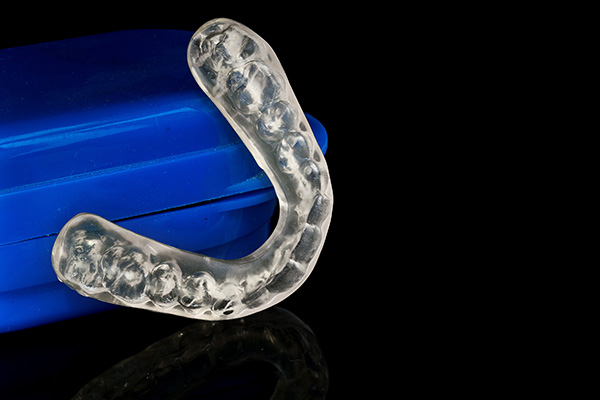 Bruxism is the medical term that refers to grinding the teeth during sleep, something which night guards may help prevent. Grinding is not just annoying but can also cause damage to the teeth, as well as a variety of other health problems. A dentist can perform an exam to determine the extent of the damage and make suggestions for correcting the problem.
Problems associated with bruxism
Although the person who is affected may not even be aware of the grinding that takes place during the night, a good deal of damage can occur. The following are issues that may need to be addressed by the dentist during an exam:
- Headaches of varying severity and neck pain may occur from the constant muscle tension of grinding.
- Teeth are likely to become worn down or cracked or may even loosen.
- Earaches can be caused by the muscle tension and pressure.
- Soreness in the jaw or TMJ (temporal mandibular joint disorder) may develop, potentially requiring headgear or surgical correction.
- Sleep can be disturbed by any of these symptoms, as well as by the grinding itself, leaving a person feeling stressed instead of rested.
- Some people tend to grind when they are awake as well, especially when anxious or concentrating.
How grinding causes tooth damage
The muscles associated with the bite reflex are some of the strongest in the body. When grinding of the teeth takes place, these powerful muscles are overworked for hours on end. It does not take much imagination to understand how bruxism can leave patients in a good deal of pain or discomfort. It is necessary to block the movement if possible to stop the damage from becoming worse.
How night guards are fitted
Night guards are a viable solution for tooth grinding. They are made from impressions of a patient’s mouth taken in the dentist’s office so they fit perfectly and are custom to the individual patient. Because they need to protect the surface of the teeth, the guards are made of a firm acrylic material that is break- and crack-resistant and should not impede free breathing or swallowing or make speaking difficult.
What guards can do to prevent more damage
For a milder case of grinding, a guard may be fitted to the top or bottom teeth only. This alone can provide a measure of protection as the acrylic can neither wear down the surface of the lower teeth nor become worn down by them. In the case of a patient with orthodontics, a lower guard may be needed as well. A dentist can also make adjustments to the bite through the use of a night guard, which could potentially correct or reduce the grinding.
Check out what others are saying about our dental services on Yelp: Night Guards in Albuquerque, NM.
Conclusion
Wearing night guards may not seem like a pleasant prospect, but when fitted properly by a dental professional and worn on a regular basis, these devices can make a big difference to a patient’s general oral health. Tooth damage, tension headaches and lasting stress issues caused by teeth-grinding can be decreased, leaving a person feeling healthier and better rested.
Request an appointment or call Family Choice Dental at 505-634-5657 for an appointment in our Albuquerque office.
Related Posts
Dental health requires routine care and, at times, immediate attention. While a general dentist provides preventive and restorative treatments, an emergency dentist can address urgent dental issues. Understanding the differences between these practitioners can help you get the care you need based on your unique needs and situation.A general dentist focuses on overall oral health,…
A TMJ dentist can help patients understand jaw pain, clicking, stiffness, and other symptoms linked to the temporomandibular joints. These joints connect the lower jaw to the skull and support chewing, speaking, and yawning. When the joints, muscles, teeth, or jaws do not work together well, patients may develop discomfort that affects eating, speaking, and…
A sudden toothache, broken tooth, or swollen gum can turn an ordinary day into a stressful situation, making an emergency dentist an important resource. Some dental concerns can wait for a scheduled visit, but others need fast care to relieve pain and protect the tooth. Knowing what counts as a dental emergency can help patients…