Can Dental Veneers Cover Imperfections on Teeth?
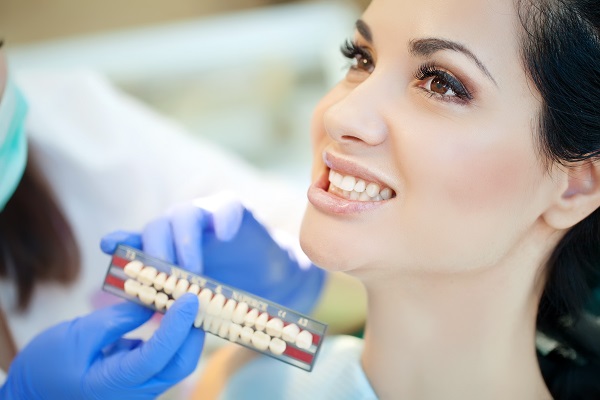
Dental veneers are a great option to consider when looking to hide imperfections. When there are flaws or blemishes on the teeth, people are less apt to smile. However, with the help of dental veneers, it can feel better to smile! Ready to learn more? This article outlines how what veneers are and how they can be used for your teeth!
Why are dental veneers so popular?
According to the American Dental Association, dental veneers are thin, custom-made shells crafted of tooth-colored materials designed to cover the front side of teeth. They are said to be an option for correcting stained, chipped, decayed or crooked teeth. Because these shells are custom-made, patients can expect their dental veneer treatment to give them a great-looking smile.
Types of imperfections veneers can cover-up
Dental veneers can cover up many different types of imperfections on teeth. The list below shows some of the more common types of tooth imperfections that dental veneers can fix.
Tooth chips
Chips in teeth are not uncommon. They can occur when certain spots on a tooth experience constant wear and tear. Wear and tear tend to weaken the enamel until it eventually chips off the tooth. Chips can also happen when someone bites down on a piece of hard food or when involved in some type of accident that causes trauma to the mouth. When chips are located on the front teeth, dental veneers can be used to cover them up.
Tooth breaks
Any broken tooth needs to be repaired as soon as possible, as breaks can lead to tooth loss. Losing a tooth is the last thing anyone wants to happen, as a healthy mouth is one that has a full set of teeth. When someone breaks one of their teeth, it is often due to being involved in an accident that impacts the mouth, like auto and sports accidents. Teeth can also break due to a large cavity or losing a filling. Dental veneers are commonly chosen by patients who have broken teeth.
Tooth stains
Not all stains in teeth can be removed using a whitening product. Intrinsic stains tend to be difficult to remove and because whitening procedures only address the outside surface of a tooth, this type of stain tends to be permanent. When someone has an intrinsic stain on one or more of their front teeth, they will often hide their smile due to feeling self-conscience about the stains. Dental veneers can cover up intrinsic stains, which makes it a popular choice for those who have severely stained teeth.
Choosing veneers to fix flaws
Dental veneers can be used to fix all kinds of imperfections and flaws. They are safe and extremely natural-looking, which can help urge patients to show off their smiles. For questions or concerns about specific types of flaws and how dental veneers can be used to cover them, reach out to our office. Our team can help get you started!
Are you considering dental veneers in the Albuquerque area? Get more information at https://familychoicedentistry.com.
Check out what others are saying about our services on Yelp: Read our Yelp reviews.
Related Posts
A damaged tooth can cause significant pain and lead to more severe dental issues when not treated as soon as possible. An emergency dentist can preserve oral health when unexpected dental injuries occur. Whether the damage results from an accident, a fall, or biting onto something hard, immediate professional guidance and treatment can prevent further…
Dental health requires routine care and, at times, immediate attention. While a general dentist provides preventive and restorative treatments, an emergency dentist can address urgent dental issues. Understanding the differences between these practitioners can help you get the care you need based on your unique needs and situation.A general dentist focuses on overall oral health,…
A TMJ dentist can help patients understand jaw pain, clicking, stiffness, and other symptoms linked to the temporomandibular joints. These joints connect the lower jaw to the skull and support chewing, speaking, and yawning. When the joints, muscles, teeth, or jaws do not work together well, patients may develop discomfort that affects eating, speaking, and…
A sudden toothache, broken tooth, or swollen gum can turn an ordinary day into a stressful situation, making an emergency dentist an important resource. Some dental concerns can wait for a scheduled visit, but others need fast care to relieve pain and protect the tooth. Knowing what counts as a dental emergency can help patients…