How Laser Dentistry is Used by Dentists
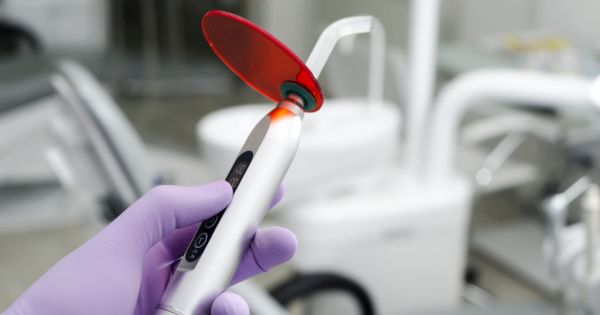
If you have noticed that your dentist has not reached for the drill as often, it is because of laser dentistry. Lasers pinpoint problem areas and are accurate, improving the outcomes of procedures. The technology can even reduce side effects and discomfort. It is no wonder that lasers are becoming the go-to choice for many dentists.
How the process works
Those who are new to laser dentistry are likely confused about how a dental laser works. A dental laser is a small instrument that emits a narrow beam of light energy. The laser can vaporize or cut tissue immediately on contact.
The laser beam cauterizes soft tissue while working, keeping blood loss to a minimum. This also reduces the need for pain medication after a procedure and speeds up recovery time.
Types of lasers
Dentists choose from hard-tissue and soft-tissue lasers. While most procedures require one or the other, dentists combine laser treatments in some cases. Dentists evaluate the patient’s needs to determine if the person would benefit from a single type of laser or a combination.
Hard-tissue lasers
Hard-tissue lasers are built to cut into hard tissue, and so easily cut into the teeth, removing the need for drills and other equipment.
Hard-tissue lasers are commonly used to remove tooth decay. Dentists also use them to prepare for fillings, root canals and bonding. The lasers make placement much easier for dentists.
In addition, these lasers are used as a treatment for sensitive teeth. Those who have sensitive teeth can undergo a laser treatment to seal the tubules that cause the sensitive reaction. They should notice an immediate reduction in symptoms.
Hard-tissue lasers make many procedures virtually pain-free and thus reduce the need for anesthesia. Nerve tissues are also less likely to overheat when using this technology.
Soft-tissue lasers
Soft-tissue lasers are the other option. These lasers are made to work on soft tissue, such as gums.
Dentists use soft-tissue lasers to reshape gums and remove excess tissue. They are also effective in removing damaged gum tissue, so healthy tissue can grow in its place.
Crown lengthening is another popular procedure. Dentists use soft-tissue lasers to reshape the tissue and bone in order to expose a healthier tooth structure. This creates an ideal foundation for placing restorations.
Like hard-tissue lasers, the use of soft-tissue lasers reduces the need for anesthesia. It also reduces the amount of bleeding that occurs during the procedure. This limits any side effects patients experience.
Are you ready for an appointment?
There are many reasons to choose laser dentistry. People are encouraged to talk to their dentists to find out if this is a good option for them. If it is, the dentist will walk them through the process, telling them what to expect before, during and after the procedure.
Are you considering laser dentistry in the Albuquerque area? Get more information at https://familychoicedentistry.com.
Check out what others are saying about our dental services on Yelp: Laser Dentistry.
Related Posts
A damaged tooth can be uncomfortable and make eating difficult, but quick treatment can restore function and appearance. An emergency dentist is a general dentist who offers fast, effective care to address urgent dental concerns. Their goal is to protect the tooth and prevent further complications. Whether caused by an accident, infection, or another unexpected…
An emergency dentist is essential for anyone facing unexpected dental issues that require immediate attention. Whether the issue is a severe toothache, injury, or infection, seeking help from an emergency dentist provides prompt evaluation and treatment to prevent further complications. Taking immediate action allows patients to alleviate pain and avoid long-term damage to their oral…
While clear braces can straighten teeth with brackets that blend more naturally with the smile, proper care helps keep them clean, comfortable, and effective. While these braces work much like traditional metal braces, their tooth-colored or ceramic brackets can show stains more easily when patients do not follow a strong oral hygiene routine. With daily…
An emergency dentist offers urgent and specialized care for unplanned dental issues, especially when severe pain or sudden trauma requires immediate attention. These situations can feel overwhelming and may raise many questions about what to expect and how to prepare. Therefore, it is good to have a list of questions to ask before arriving at…