Oral Appliances and Sleep Medicine
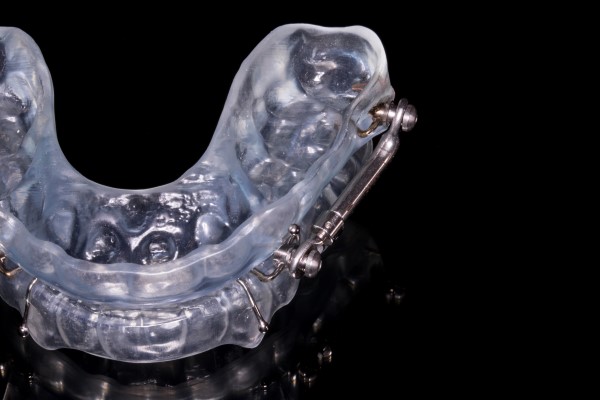
Oral appliance therapy is one of the effective treatments provided under sleep medicine. A custom-fitted oral sleep device can improve sleep quality, boost mental alertness and restore overall wellbeing. This article explains oral appliances and their use in sleep medicine.
About oral appliance therapy and sleep medicine
An oral appliance is a device worn during sleep and fits into the mouth like a mouthguard or orthodontic retainer. It holds the jaw in a forward position to keep the upper airway open. Studies show that oral appliance therapy is an effective sleep medicine treatment for snoring and obstructive sleep apnea.
If a dentist has decided that the best way to solve a sleep disorder in a patient is oral appliance therapy, they will recommend the patient a custom-made oral device. There are over 100 oral devices with FDA approval and the dental professional will suggest the best option after a proper examination. Many medical insurance plans cover oral appliance therapy.
Benefits of oral appliance therapy
Oral appliances are an effective and non-invasive treatment alternative to Continuous Positive Airway Pressure (CPAP) machines, which are typically prescribed for the treatment of sleep apnea. Many people prefer this option because it is:
- Easy to wear
- Comfortable
- Portable
- Quiet
- Convenient when traveling
- Easy to maintain
How dentists use oral devices for sleep medicine
During the patient's first appointment with the dentist, they will learn about some of the benefits of treatment. They will also get details about the possible side effects and the cost of treatment. Afterward, the dentist will perform a thorough medical evaluation. This will include an examination of the teeth, tongue, jaw, airways and sometimes, an x-ray of the oral cavity.
To make and fit the oral appliance, the dentist will customize the device by using a digital or manual impression of the patient’s teeth. The dental models will be forwarded to a dental laboratory that creates oral devices.
Once the oral appliance is available, the patient will visit the dentist’s office for a fitting appointment. The dentist will make the necessary adjustments to ensure maximum comfort and effectiveness. The patient will also learn how to clean and maintain the device properly. After fitting, the dentist may recommend an overnight sleep study to verify the effectiveness of the device.
Patients need follow-up visits with the dentist to make sure the oral appliance continues to fit correctly. For continuous effectiveness, the dentist needs to adjust the custom fitting. They will also schedule an annual assessment. The routine follow-up appointments are crucial to the long-term success of the treatment.
Do you suffer from a sleep disorder?
Undergoing sleep medicine treatment for snoring and obstructive sleep apnea with oral appliance therapy can restore you to your normal self. You will start to experience dramatic improvements in your symptoms and quality of life when you stay committed to the treatment. You will begin to sleep better and remain vibrant and energetic throughout the day.
Treating sleeping disorders contributes to a healthier body, heart and mind. With the help of your dentist, you can improve your health and sleep quality.
Request an appointment here: https://familychoicedentistry.com or call Family Choice Dental at (505) 634-5657 for an appointment in our Albuquerque office.
Check out what others are saying about our services on Yelp: Read our Yelp reviews.
Related Posts
A damaged tooth can be uncomfortable and make eating difficult, but quick treatment can restore function and appearance. An emergency dentist is a general dentist who offers fast, effective care to address urgent dental concerns. Their goal is to protect the tooth and prevent further complications. Whether caused by an accident, infection, or another unexpected…
An emergency dentist is essential for anyone facing unexpected dental issues that require immediate attention. Whether the issue is a severe toothache, injury, or infection, seeking help from an emergency dentist provides prompt evaluation and treatment to prevent further complications. Taking immediate action allows patients to alleviate pain and avoid long-term damage to their oral…
While clear braces can straighten teeth with brackets that blend more naturally with the smile, proper care helps keep them clean, comfortable, and effective. While these braces work much like traditional metal braces, their tooth-colored or ceramic brackets can show stains more easily when patients do not follow a strong oral hygiene routine. With daily…
An emergency dentist offers urgent and specialized care for unplanned dental issues, especially when severe pain or sudden trauma requires immediate attention. These situations can feel overwhelming and may raise many questions about what to expect and how to prepare. Therefore, it is good to have a list of questions to ask before arriving at…