5 Effects of a Missing Tooth
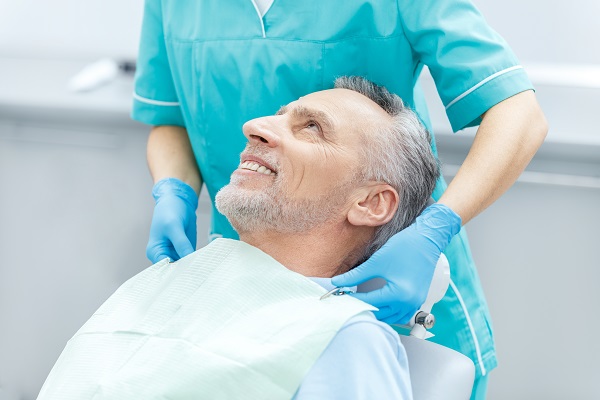
Many dental patients find themselves with a missing tooth at some point in their lives. This is a common occurrence and can happen for multiple reasons, such as gum disease, tooth decay and trauma from an accident. Missing teeth are often regarded simply as a cosmetic issue, but there are complications that can arise from leaving the problem untreated.
Effects of a missing tooth
These are five of the most frequent complications that can happen when a missing tooth is not replaced.
1. Teeth shifting
Excess room in the mouth from a missing tooth can result in the rest of the teeth shifting and moving out of place. Shifting of the teeth may cause gaps or crowding. Teeth crowding also makes it more difficult to properly clean the rest of the teeth. This increases the chance of developing tooth decay, potentially causing further tooth loss.
2. Malocclusion
When the teeth move and shift, it may result in a misalignment of the bite, a condition called malocclusion. Misalignments often cause further issues with the rest of the teeth and may result in pain, tooth loss and headaches. Malocclusions increase the risk of developing TMD, a condition that causes pain upon movement of the jaw joint and muscles.
3. Bone loss
Teeth are vital in maintaining the structure of the jaw. When a dental patient loses a tooth or multiple teeth, the support and stimulation in the jawbone are lost. Without this support, the bones of the jaw then begin to atrophy. Bone loss can cause sagging of the face and may drastically alter a patient’s appearance, making them look much older.
4. Speech difficulties
Patients with a missing tooth or teeth often have speech issues. Loss of teeth can make it difficult to pronounce certain sounds, which may cause patients to slur their words when speaking. The impact on speech may also result in whistling sounds upon certain pronunciations as well as spitting while talking. Speech issues often result in a loss of confidence in patients.
5. Chewing issues
When a tooth is missing, chewing frequently becomes much more difficult. It may cause pain while eating, which often causes a patient to eat less and avoid certain foods that are especially painful to chew. Difficulty chewing can cause drastic changes in a patient’s diet in an attempt to avoid this pain, sometimes leading to poor nutrition and deficiencies. Certain deficiencies can negatively impact a patient’s oral health, leading to more dental issues.
Conclusion
For adults, a missing tooth is a troubling experience that can result in complications if left untreated. However, there are many successful and affordable treatment options available today. Dentures, dental implants and bridges are the most common solutions that are used to restore teeth. Patients no longer have to feel embarrassed while dealing with the negative impacts of missing teeth and can once again feel confident in their smiles.
Request an appointment here: https://familychoicedentistry.com or call Family Choice Dental at (505) 634-5657 for an appointment in our Albuquerque office.
Check out what others are saying about our services on Yelp: Read our Yelp reviews.
Related Posts
A damaged tooth can be uncomfortable and make eating difficult, but quick treatment can restore function and appearance. An emergency dentist is a general dentist who offers fast, effective care to address urgent dental concerns. Their goal is to protect the tooth and prevent further complications. Whether caused by an accident, infection, or another unexpected…
An emergency dentist is essential for anyone facing unexpected dental issues that require immediate attention. Whether the issue is a severe toothache, injury, or infection, seeking help from an emergency dentist provides prompt evaluation and treatment to prevent further complications. Taking immediate action allows patients to alleviate pain and avoid long-term damage to their oral…
While clear braces can straighten teeth with brackets that blend more naturally with the smile, proper care helps keep them clean, comfortable, and effective. While these braces work much like traditional metal braces, their tooth-colored or ceramic brackets can show stains more easily when patients do not follow a strong oral hygiene routine. With daily…
An emergency dentist offers urgent and specialized care for unplanned dental issues, especially when severe pain or sudden trauma requires immediate attention. These situations can feel overwhelming and may raise many questions about what to expect and how to prepare. Therefore, it is good to have a list of questions to ask before arriving at…