Root Canal Procedure After Traumatic Tooth Injury
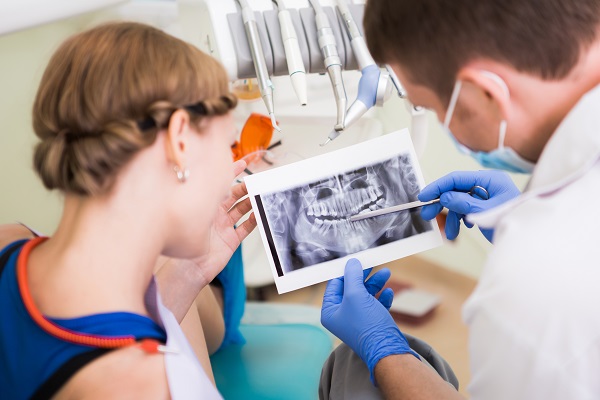
Traumatic tooth injuries often warrant the need for a root canal. The procedure itself can significantly improve a person’s oral and dental health. General dentists perform root canals for many reasons, but one of the most common is to treat tooth injuries.
Want to know what to expect from a root canal procedure after a traumatic tooth injury? In this article, we discuss it in depth! Root canals can help treat a tooth injury. Keep reading to find out more!
Root canal procedure after a traumatic tooth injury
Below, we outline everything there is to know regarding root canals after a traumatic tooth injury takes place.
What is a root canal?
A root canal is a procedure that involves fixing and treating a tooth that is in bad shape due to injury, decay or infection. General dentists perform root canals when patients have severe problems within their teeth. Most of the time, there is a lot of pain and discomfort prior to the root canal.
What is the procedure like?
A root canal procedure consists of a few steps. Most general dentists recommend that patients go under local anesthesia during the procedure to avoid pain and anxiety. The steps of the procedure are as follows:
1. The general dentist will remove the nerve and pulp within the tooth through a drilled hole in the tooth.
2. The interior portion of the tooth is cleaned out to remove any bacteria. It is then temporarily sealed so that further bacteria can’t get in. In the case of an injury, the interior portion of the tooth is cleaned, repaired and then sealed.
3. After a period of healing, the patient will return and have the temporary filling removed so that a permanent seal can be placed.
4. Most of the time, restoration is needed to complete the root canal procedure. A general dentist can then go in and place a dental crown so that functionality can be restored.
The root canal procedure is relatively straightforward, however, once the procedure is complete most people experience some discomfort or minor pain. If a traumatic injury was the cause for the procedure then there will likely be a significant period of time required for healing to take place.
When is a root canal needed?
Root canals are needed when the teeth get infected or become severely decayed. In the case that a traumatic injury occurs, a general dentist may also recommend the root canal procedure to avoid further damage. Root canals can remove bacterial infections, as well as repair a damaged tooth.
Get started today!
If you have questions about a root canal procedure then let us know! Our team of general dentists can help walk you through the procedure or go over any concerns that you might have. Give us a call or stop by our office so that we can get you started.
Request an appointment here: https://familychoicedentistry.com or call Family Choice Dental at (505) 634-5657 for an appointment in our Albuquerque office.
Check out what others are saying about our services on Yelp: Read our Yelp reviews.
Related Posts
Knowing whether to visit an emergency dentist or an emergency room can make a significant difference in receiving the right care. Dental emergencies can be painful and distressing, but not all require a hospital visit. An emergency dentist is often the best option for immediate relief and specialized treatment. However, understanding where to go in…
A damaged tooth can cause significant pain and lead to more severe dental issues when not treated as soon as possible. An emergency dentist can preserve oral health when unexpected dental injuries occur. Whether the damage results from an accident, a fall, or biting onto something hard, immediate professional guidance and treatment can prevent further…
Dental health requires routine care and, at times, immediate attention. While a general dentist provides preventive and restorative treatments, an emergency dentist can address urgent dental issues. Understanding the differences between these practitioners can help you get the care you need based on your unique needs and situation.A general dentist focuses on overall oral health,…
A TMJ dentist can help patients understand jaw pain, clicking, stiffness, and other symptoms linked to the temporomandibular joints. These joints connect the lower jaw to the skull and support chewing, speaking, and yawning. When the joints, muscles, teeth, or jaws do not work together well, patients may develop discomfort that affects eating, speaking, and…