6 Possible Reasons for Your Tooth Pain
As tooth pain rears its ugly head, you start to dread the impending dental appointment. Our bodies use pain to warn us that we may need medical attention, which is why we automatically associate toothaches with the dentist’s chair. Often, tooth pain leads to a dental procedure, but sometimes it is a symptom of an unrelated medical condition. To give you a better idea of what your tooth is trying to say to you, let us go through the reasons that your tooth might hurt.
Common reasons for tooth pain
1. Dental cavities and tooth decay
Dental cavities are one the most common dental problems that dentists treat. When a dental cavity is small, it makes a tooth sensitive to temperature, sugar and acid. In most cases, discomfort is only felt when the person eats or drinks.
As the cavity progresses to all-out tooth decay, the pain becomes more pronounced and persistent. The tooth may start to wake its owner in the dead of night with throbbing aches. This is the tooth’s way of calling for help.
2. Dental abscesses
The constant, throbbing pain of a dental abscess occurs when harmful mouth bacteria infect the inner tooth. As the infection progresses, the pulp becomes inflamed and pus accumulates inside the tooth. Increased pressure in the tooth forces the infection to try and push its way out through the outer tooth. The pressure combined with the infected nerves is what causes an abscess to hurt so much.
3. Teeth grinding
Also known as bruxism, teeth grinding is a condition where a person clenches their jaws and grinds their teeth. Most of the time, a person who suffers from bruxism does not realize that they are grinding their teeth or clenching their jaws. Teeth grinding causes tooth sensitivity, jaw pain and aching facial muscles. Treatment of this condition may require stress reduction, a mouth guard or the correction of a malocclusion.
4. An impacted tooth
A tooth becomes impacted when it is stopped from erupting as it should by adjacent teeth or the jawbone. In most cases, it is the wisdom teeth that have problems erupting as they should. The pain from an impacted tooth is dull and throbbing, and it causes the jaw and the surrounding teeth to ache as well. It happens when the tooth tries to push past the jaw and gum without any success.
This causes pressure and soreness of the gum and jaw. As the tooth tries to erupt, the gum surrounding the tooth may also become inflamed and swollen. It is worth noting that a person can feel teething pain even when a healthy wisdom tooth erupts. The difference is that the pain goes away once the tooth grows.
5. Sinus infection
Some of the upper teeth sit directly under the sinus cavities. So when the sinuses become inflamed, pain radiates from the sinuses to the teeth that are closest to them. The dull ache and pressure affect several of the upper teeth and the portion of the jaw that holds them.
6. Injury
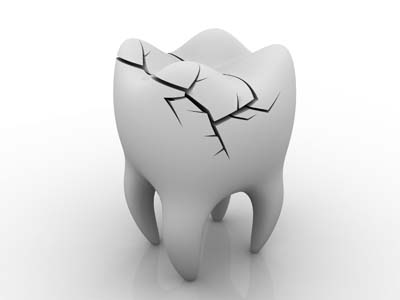
The teeth can undergo trauma when a person has an accident or some other type of injury. A tooth can also become damaged if a person bites down on something hard. The result of the trauma can be a broken or cracked tooth that hurts on contact with cold air, hot or cold foods and drinks or pressure from grinding and chewing. The pain is usually quite sharp.
See a dentist and find out why your tooth hurts
When your tooth starts to hurt, your first thought is probably ‘cavity’, but that is not always the case. Whatever the cause, do not learn to live with tooth pain when a dentist can bring relief.
Request an appointment here: https://familychoicedentistry.com or call Family Choice Dental at (505) 634-5657 for an appointment in our Albuquerque office.
Check out what others are saying about our services on Yelp: Read our Yelp reviews.
Related Posts
A damaged tooth can be uncomfortable and make eating difficult, but quick treatment can restore function and appearance. An emergency dentist is a general dentist who offers fast, effective care to address urgent dental concerns. Their goal is to protect the tooth and prevent further complications. Whether caused by an accident, infection, or another unexpected…
An emergency dentist is essential for anyone facing unexpected dental issues that require immediate attention. Whether the issue is a severe toothache, injury, or infection, seeking help from an emergency dentist provides prompt evaluation and treatment to prevent further complications. Taking immediate action allows patients to alleviate pain and avoid long-term damage to their oral…
While clear braces can straighten teeth with brackets that blend more naturally with the smile, proper care helps keep them clean, comfortable, and effective. While these braces work much like traditional metal braces, their tooth-colored or ceramic brackets can show stains more easily when patients do not follow a strong oral hygiene routine. With daily…
An emergency dentist offers urgent and specialized care for unplanned dental issues, especially when severe pain or sudden trauma requires immediate attention. These situations can feel overwhelming and may raise many questions about what to expect and how to prepare. Therefore, it is good to have a list of questions to ask before arriving at…